

Genesis, one of the world’s most famous and commercially successful bands of all time, wasn’t always the household name it now is. Back in the 1970s, similar to many other progressive rock acts of the time, they struggled with both financial issues and lineup changes. In 1975, after their tour supporting the legendary The Lamb Lies Down on Broadway (1974), iconic frontman Peter Gabriel left the group. Hesitantly, drummer Phil Collins stepped up to the lead vocalist role, gaining Genesis a slight boost in popularity due to the new radio-friendly singles (“A Trick of the Tail,” “Your Own Special Way”). In 1977, lead guitarist Steve Hackett departed during the mixing of their acclaimed second live album, Seconds Out (1977).
This solidified the core trio of Collins, keyboardist Tony Banks, and bassist/guitarist Mike Rutherford. As they navigated the end of the decade, Phil Collins was in the process of a divorce during their Japanese leg of the …And Then There Were Three… (1978) world tour. This fueled much of the songwriting for their tenth studio album, Duke (1980), which became their first album to chart at #1 in the U.K. The following year, 1981, proved to be their tipping point. Supported by the ‘80s staple lead single “In the Air Tonight”, Phil Collins released his massively successful solo debut, Face Value (1981). And Genesis released Abacab (1981), their first record to crack the top 10 of the U.S. Billboard 200.
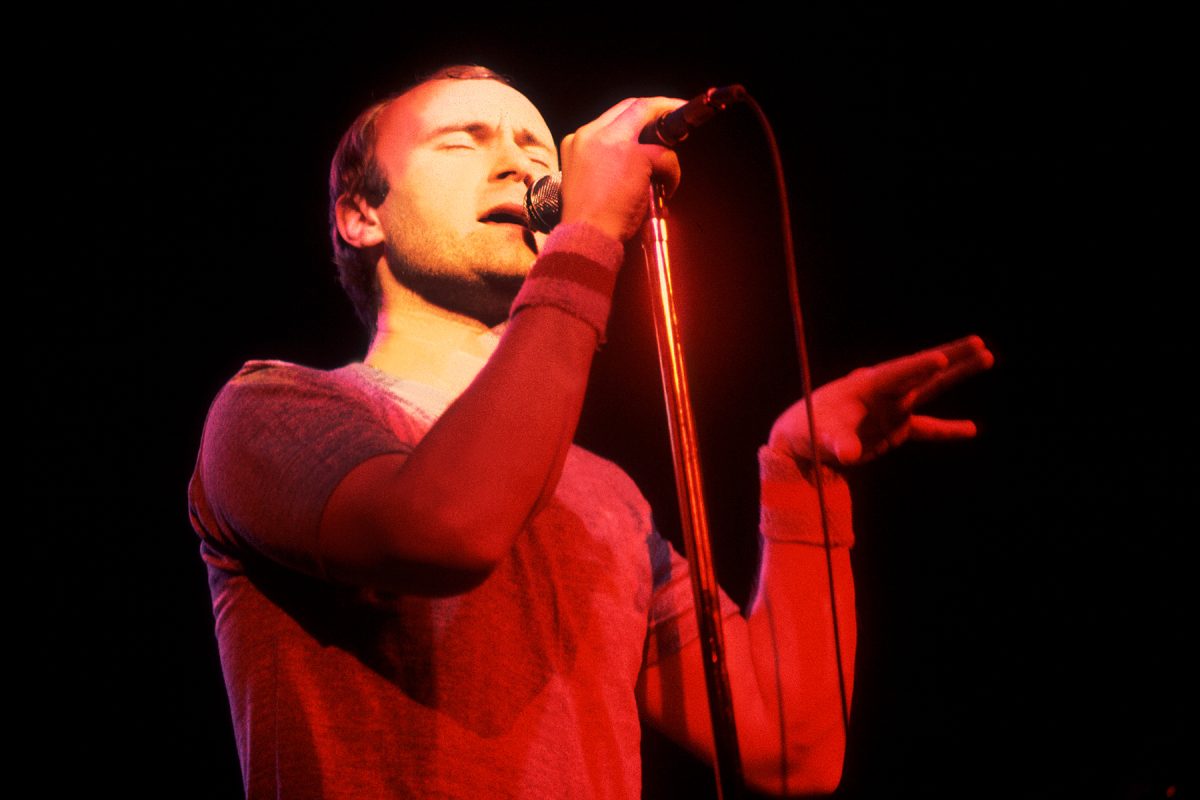
The tour supporting their latest album would prove to be one of the most decisive periods of Genesis. The band had streamlined their iconic progressive rock sound and songwriting approach to appeal to the mainstream audience with pop-oriented, radio-friendly tunes (without entirely losing their flashy prog roots). Despite criticisms from hardcore fans, their popularity skyrocketed thanks to Collins’ growing confidence in himself as a songwriter and frontman, and largely due to chief songwriters Mike Rutherford and Tony Banks conjuring complex yet simple melodies from thin air. It is hard to believe that this trio had come up with the “Apocalypse in 9/8” section of “Supper’s Ready” a decade before.
Supporting their eleventh studio album, Abacab (1981), the band decided to create a concert film titled Three Sides Live, sharing the same title as the accompanying live album. Directed by Stuart Orme, the shows were recorded on November 28th and 29th, 1981, at the Savoy (now Hudson Theatre) and Nassau Coliseum, NY. With long-time touring members Chester Thompson (drums) and Daryl Stuermer (lead guitar and bass), the film was interspersed with interviews held during the tour, highlighting what life was like on the road for Genesis, their crew, and their families.
Concert film track listing of Three Sides Live (1982)
- “Behind the Lines” (Duke)
- “Duchess” (Duke)
- “Misunderstanding” (Duke)
- “Dodo/Lurker” (Abacab)
- “Abacab” (Abacab)
- “No Reply at All” (Abacab)
- “Who Dunnit?” (Abacab)
- “In the Cage” (The Lamb Lies Down on Broadway)
- “The Cinema Show” (Excerpt) (Selling England by the Pound)
- “The Colony of Slippermen” (Excerpt) (The Lamb Lies Down on Broadway)
- “Afterglow” (Wind and Wuthering)
- “Me and Sarah Jane” (Abacab)
- “Man on the Corner” (Abacab)
- “Turn It On Again” (Duke)
By 1981, the touring lineup had completed several world tours together, so the members of Genesis were red-hot and eager to support their latest album on both sides of the Atlantic. Phil Collins, with the success of both his first solo album and Abacab, must have been inspired to give the hungry audience something truly special. It is widely accepted that this particular tour features Collins at his vocal prime, with nearly every show perfectly showcasing his impressive vocal range and exquisite phrasing and improvisation. One of the most accomplished progressive rock drummers of the 1970s, he also holds his weight on the drum kit during the amazing instrumental passages. And when paired with former Frank Zappa, Weather Report, and Santana drummer Chester Thompson, you know you’re in for a good time.
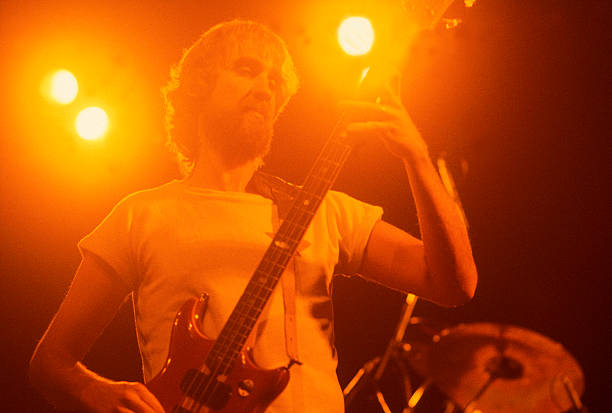
Filling the enormous shoes of former lead guitarist Steve Hackett since 1978, Daryl Stuermer brings his flair and style of legato phrasing into his lead guitar work, while also holding down the rhythm section to give Rutherford a chance to shine on lead guitar. And what can I say about Mike Rutherford and Tony Banks? I’ve listened to countless live concerts and bootlegs of Genesis, and they are by far the most consistent live performers within the band. Being the chief songwriters, they serve the songs they wrote, trying their best not to over-improvise and steer away from the original composition. Tony Banks occasionally adds a sprinkling of delightful arpeggios non-existent on the studio recordings, but that’s what live music is all about.
I’ve been a Genesis fan for as long as I can remember. My dad had the Turn It On Again: The Hits (1999) CD in constant rotation in the car, so I have many good memories of Phil Collins’ (and Peter Gabriel’s) vocals and my family. As I grew older, I tried to diversify my music taste, listening to hip-hop, metal, and even free-form jazz. But I always found comfort in hearing the music of Genesis, whether it was from the early, progressive rock heyday to the wildly successful 80s pop tunes.
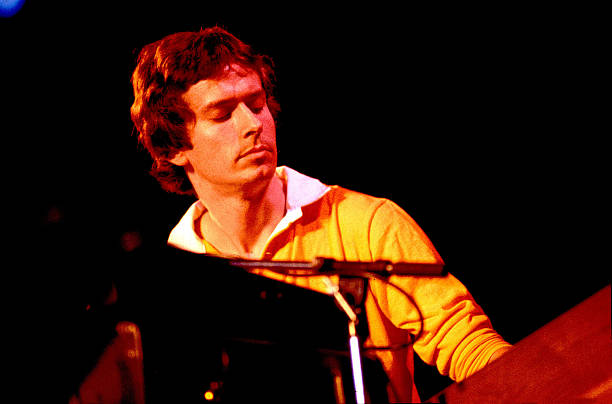
Prior to this, I had never watched the concert film of Three Sides Live before. I always listened to the album of the same name, which has a couple more tracks on it, and the performances were cherry-picked from different nights. Taken from only two nights, the concert film contains no studio overdubbing whatsoever and has a more authentic feel. The two songs recorded at the Savoy (“Me and Sarah Jane” and “Man on the Corner”) are much more intimate and feature close-ups of the audience much more often, which should come as no surprise, as the venue only holds around 800 people. That being said, the Nassau Coliseum performances are iconic for a reason.
Although I’ve been waxing lyrical about this concert film so far, I wouldn’t go as far as to say it’s perfect. Apart from the amazing lighting effects on tracks like “In the Cage”, the concert film is a bit lacking visually. Every band member looks like an ordinary everyday dude you would see walking down the street (key difference being they’re musical geniuses). Some of the songs are incomplete due to editing, and the concert footage is also overdubbed with interviews by both American radio deejays and Sounds’ Hugh Fielder. The artificial audience noise wouldn’t have bugged me as much if it weren’t so deliberate in the final product.
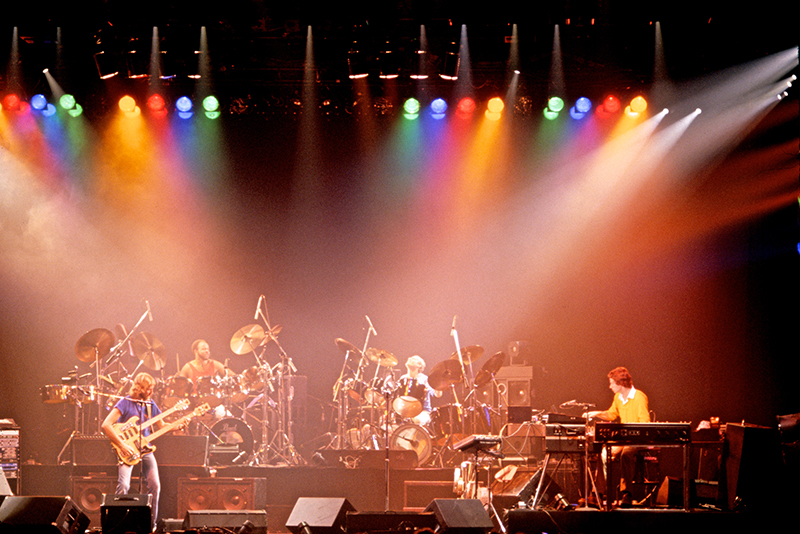
Unlike other prog rock acts of the 70s trying to find their place in the changing music industry in the 1980s, Genesis continued to progress their sound and image to keep up with the times. This allowed the band to perform a wide variety of songs from their past and present, which I immensely enjoyed. Three Sides Live saddens me, as it means that I never got the opportunity to see Genesis live. On the other hand, it makes me immensely happy as the concert footage fans have during this period is criminally low, and this film is a goldmine of documentation of the band in the early 1980s. This film captures performances that have only grown more legendary as the years go by, and I do not doubt in my mind that you will enjoy it as much as I have.