
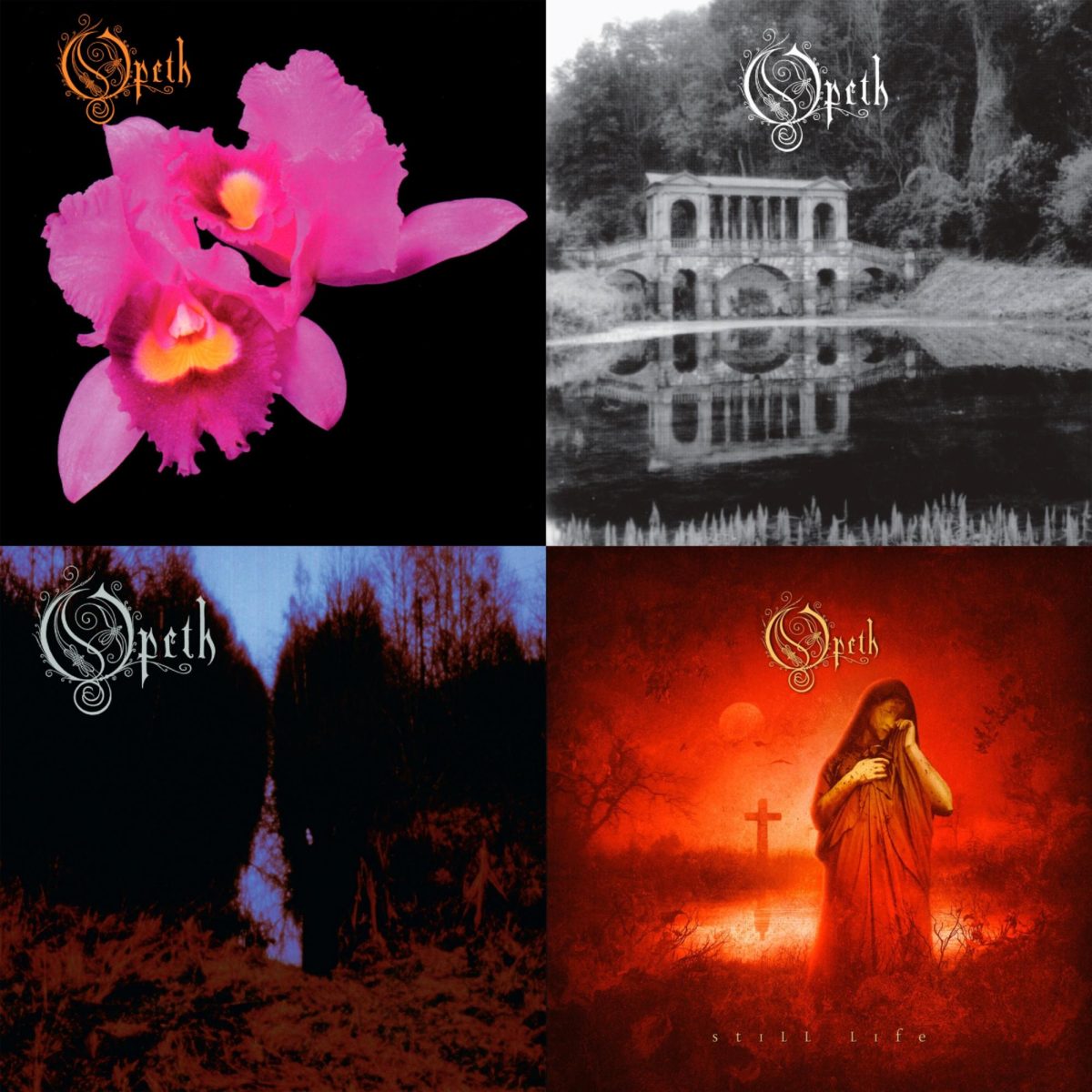
The progressive metal band Opeth has had a long and winding history. First founded by lead singer David Isberg with “some bums from Täby” in Stockholm, Sweden on April 7th, 1990, it wasn’t long till guitarist Mikael Åkerfeldt took over as lead songwriter and band leader in early 1992. After three years of demo tapes and a handful of gigs, Opeth released their debut album Orchid (1995) on Candlelight Records. They would proceed to release two more albums on the British record label, the sprawling Morningrise (1996), and the first true Opeth masterpiece, My Arms, Your Hearse (1998).
As the 21st century closed in, Opeth signed a deal with Peaceville Records in hopes of achieving at least some commercial success (they didn’t), and released yet another progressive death metal classic, Still Life (1999). At this point, Åkerfeldt, nearly 26 years old, was becoming disillusioned with the lack of response and feedback from fans or critics. That changed after their Milwaukee Metalfest concert on July 28, 2000, which coincidentally, was their first show ever in North America.
Although the gig is now known as the most important gig in Opeth history, the lead-up to the concert wasn’t pretty. As the band had to travel on tourist visas, they weren’t legally allowed to play a show in the United States and had to borrow gear from fellow Swedish heavy metal band Katatonia. The full show’s on YouTube, and it’s clear how much the audience loved the band’s performance. In The Book of Opeth, Mikael says, “People were roaring when we came on, before we even played a note.”
Through this monumental show, Opeth realized the worldwide demand for their music, and the band entered the studio once more the following month. Their fifth studio album was set to be “painfully conceived at Fredman Studios during the months of August to October 2000.” But unlike previous records, there would be an integral weapon that would help Åkerfeldt and company change the metal world forever.
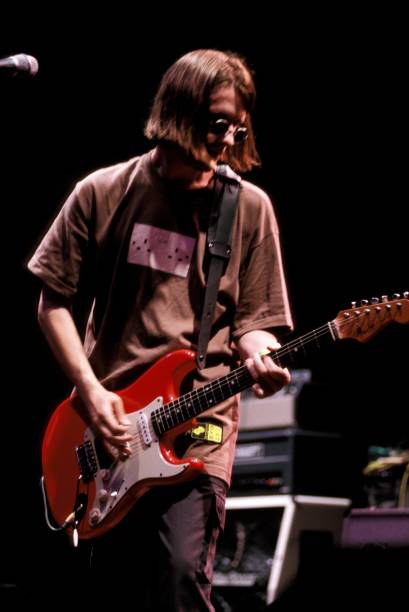
As the mastermind behind Porcupine Tree, Steven Wilson was an icon of the genre in the early 2000s, even before his illustrious solo work and reputation as an acclaimed producer and mixer. In an interview with Jeff Kent from Promethean Crusade in March of 2001, this is what Akerfeldt had to say about the band’s collaboration with the Englishman:
“Yeah, he (Steven Wilson) was the one who contacted me actually. He got a copy of Still Life when he did an interview with a journalist (likely Joakim Jahlmar) who’s a friend of mine. My friend knew that I was a big Porcupine Tree fan, so he gave him the Still Life album and my email address. So then I got an email from Steven which said he thought it was one of the best albums he’d heard. Then we started talking about doing an album together and I met him in London to ask him if he wanted to produce what would be Blackwater Park and he said he would.”
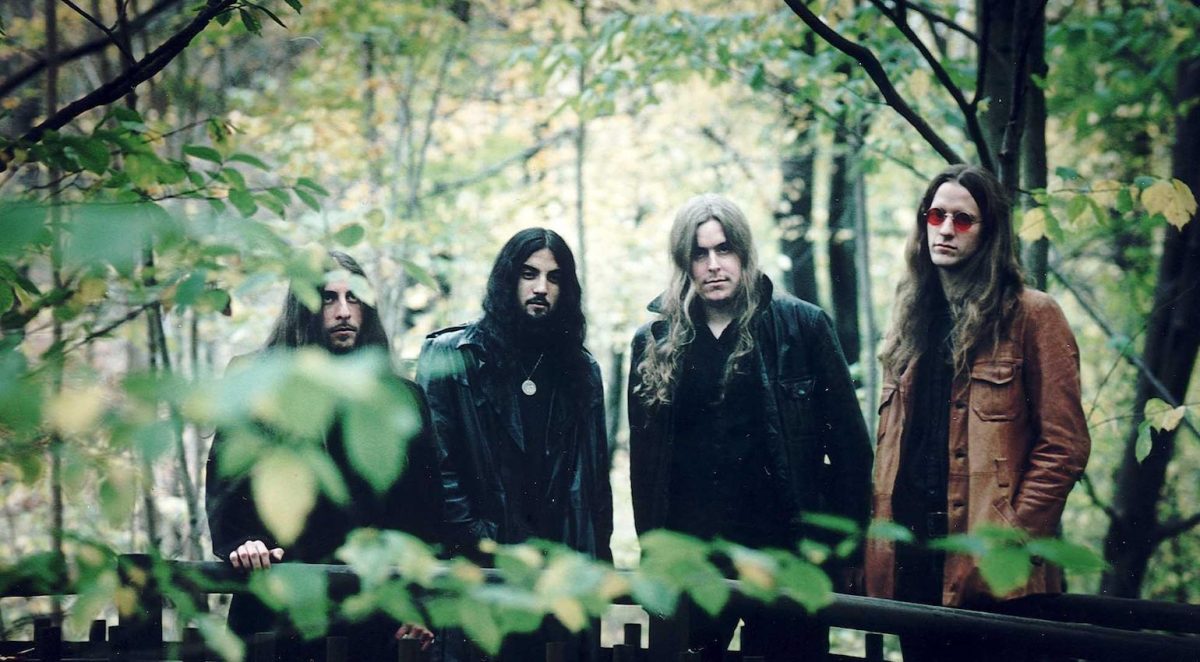
The band consisting of Mikael Åkerfeldt on guitar and lead vocals, Peter Lindgren on guitar, Martin Mendez on bass, and Martin Lopez on drums, arrived at Studio Fredman in Gothenburg, Sweden, on August 10, 2000. The frontman had already written a handful of demos at his friend’s house, and the band had rehearsed the tracks only three times before entering the studio. They had recorded the past two albums there, and Fredrik Nordstrom, a legendary Swedish record producer and musician, was ready to take over the production duties once more. But he ultimately engineered and mixed the final product.
In the “Blackwater Park Diary,” Åkerfeldt wrote, “After we’d done all the basics (drums, rhythms, bass, & acoustic guitars), Steve came over to Gothenburg to help us produce the clean vocals & some guitar leads. He had an immense impact on the recording, and I think after working with him, we entered a new ‘phase.’ He made us look at music differently and also got us to be more open-minded to sonic experiments. His ideas are pretty f–ked up sometimes, and just because they are & the fact that Steve is a very mellow, intelligent and musical person, all his ideas were like….essential. We had to try everything out. If this ‘normal’ guy in front of us comes up with all these tripped out ideas…they HAVE to be good!”
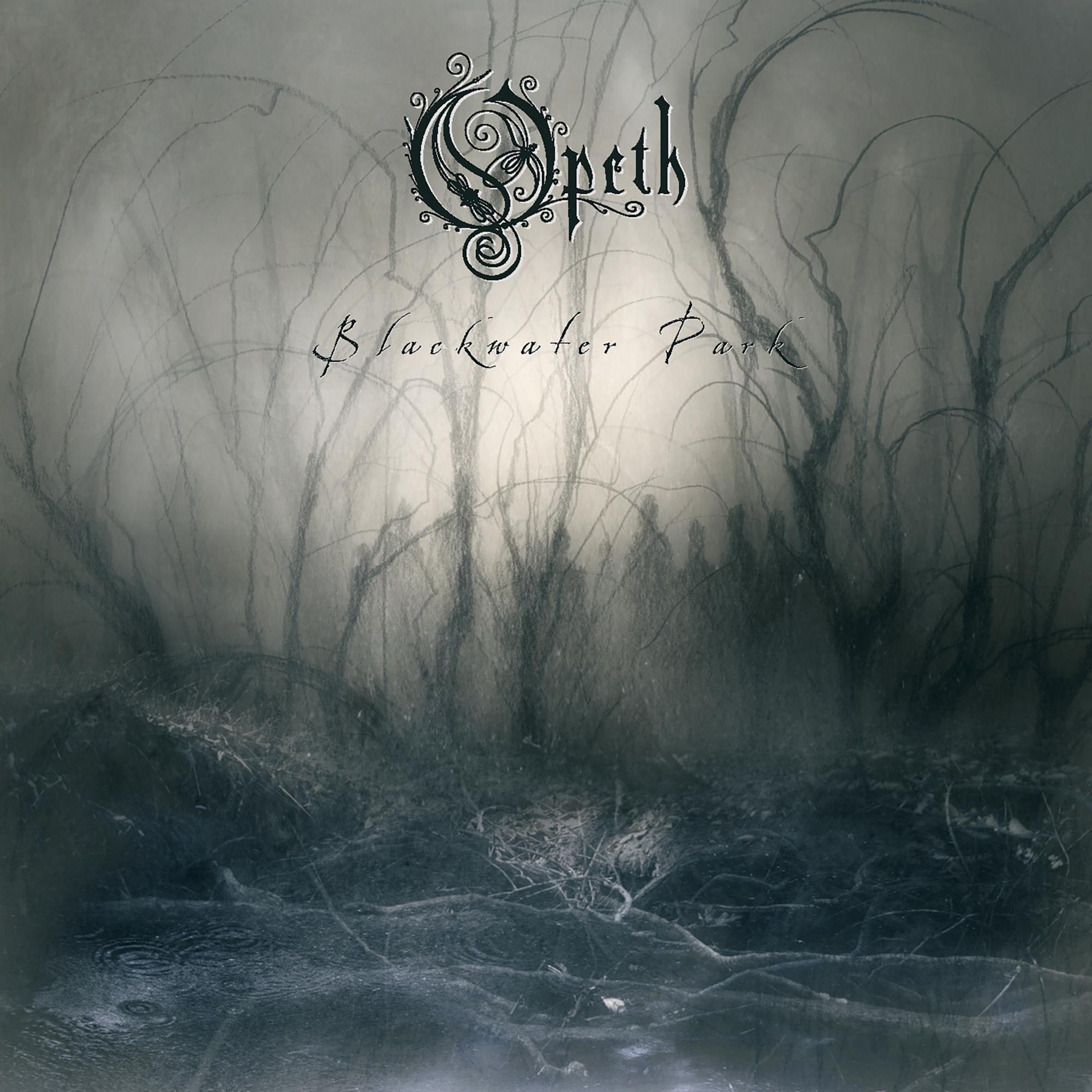
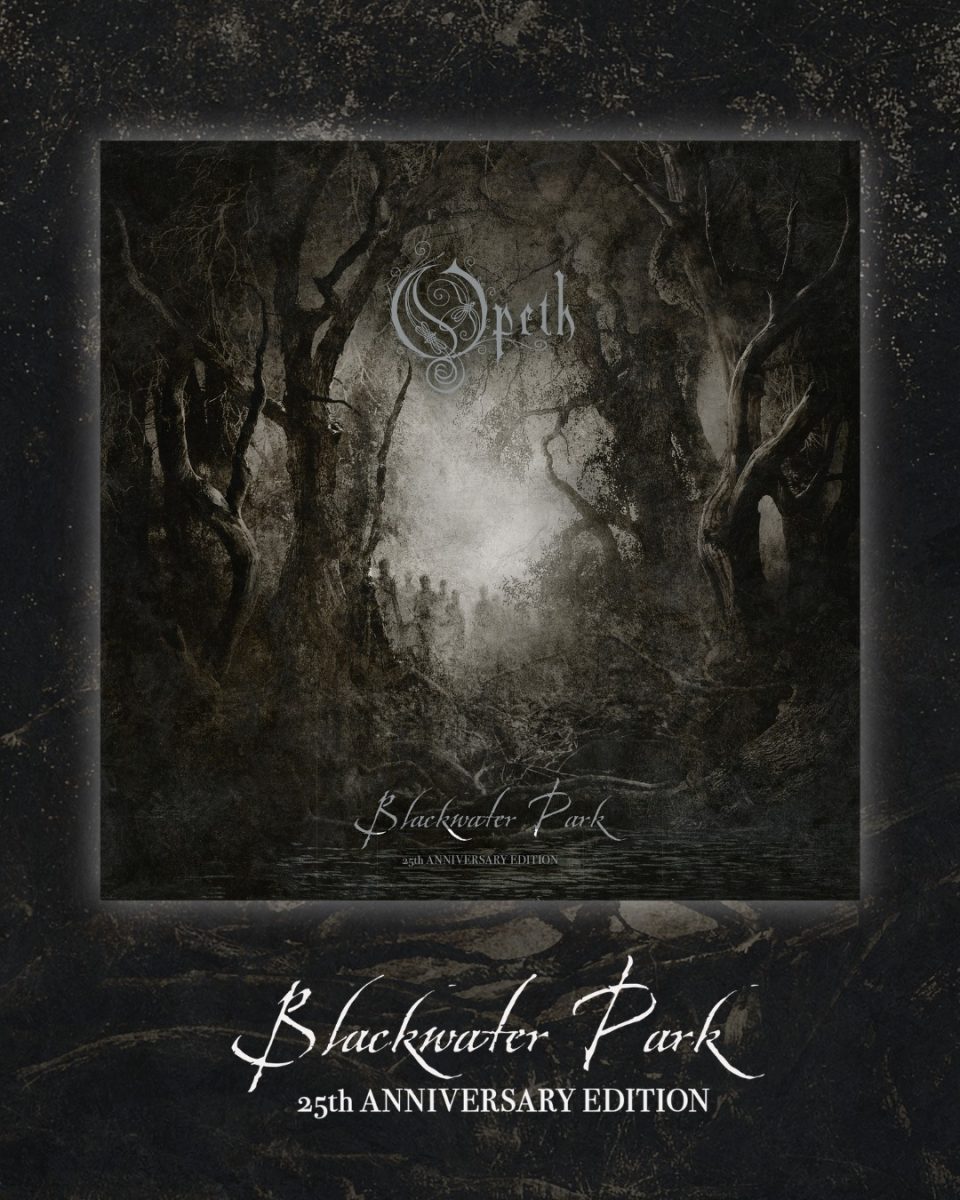
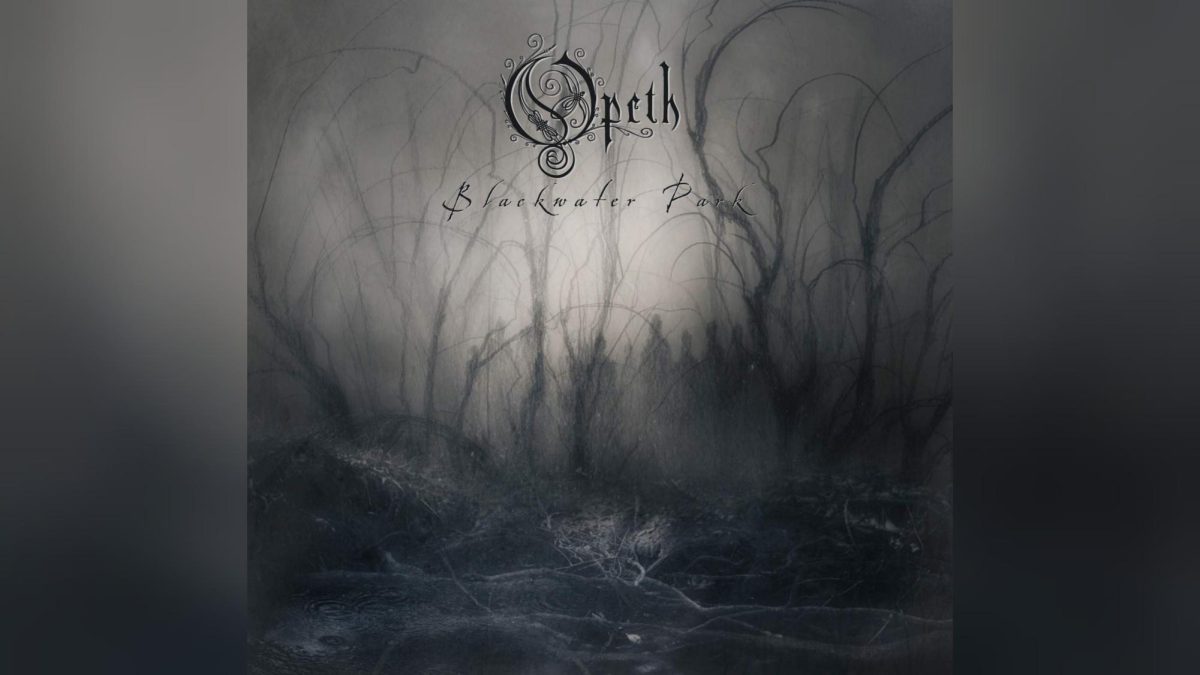
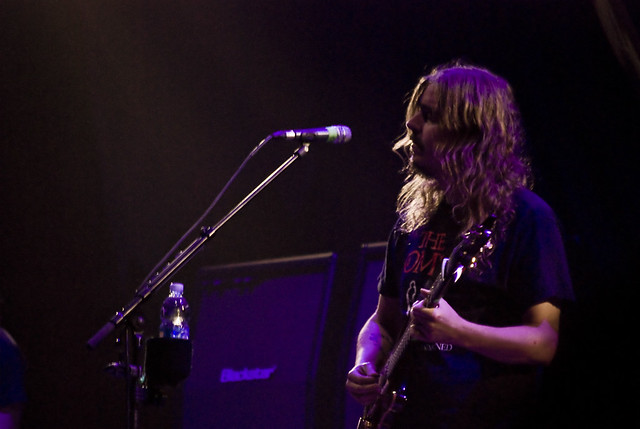
The culmination of the August-October 2000 sessions at Studio Fredman was finally unleashed upon the world in the spring of 2001. Blackwater Park, Opeth’s monumental fifth studio album, was officially released on March 12 in Europe through Music For Nations, and a day later in North America via KOCH Records. It was the band’s debut under the Music For Nations banner, a major step up that placed them squarely in the crosshairs of a much wider audience. And the listening experience starts with a devastating opening statement.
“The Leper Affinity” (10:23) (Åkerfeldt)
“We entered winter once again…”
Building from an ominous, swelling Eb5 piano chord and creeping overtones, “The Leper Affinity” is a progressive death metal masterpiece. The choice to place this ten-minute epic at the very front of the record was a no-brainer. As Åkerfeldt recalled in a 2021 Guitar World interview, the band needed something with a blistering pace for the opening slot, operating on the philosophy that “you always want to smack the listener open-handedly in the face!” If “The Moor” from 1999’s Still Life is the track that first made me appreciate death metal growls, “The Leper Affinity” is the song that made me love them.
An excellent article by Ian Cory of Invisible Oranges details how the use of bembe, a 6/8 Afro-Cuban groove, was utilized by drummer Martin Lopez throughout his stint with Opeth. Lopez joined the band in 1997 for the recording of their third studio album, My Arms, Your Hearse (1998), and introduced said technique during the climax of the haunting “When” for the first time in Opeth’s discography. The bembe is utilized in several songs on Blackwater Park, and the pattern is most noticeable during “The Leper Affinity.” That breakdown at 3:20 might be my favorite section of anything off of this record, and that says a lot. Lopez’s unique sense of feel and control is present throughout his six studio albums with Opeth, and this album is where he truly develops his own style.
First debuting during the North American leg of the 2001-2002 Blackwater Park tour, only absent during the early 2010s, and occasionally swapped out for another Blackwater Park classic, “The Leper Affinity” has been an Opeth live concert staple for over two decades. It is a thoroughly devastating opening statement, and perfectly sets the album’s general theme of bitterness and misanthropy. It’s amazing how so many riffs and musical ideas were drifting around Åkerfeldt’s head during this period. An unrelenting tune with flawless musicianship by the Swedes and Uruguayans, and the album’s just getting started.
“Bleak” (9:16) (Åkerfeldt)
“Bang!” is probably what Opeth tried to accomplish by setting up a loud and sinister dissonant chord right after the opener’s tender minute-long piano outro. Although credited as an Åkerfeldt composition, “Bleak” is really the lovechild of producer Steven Wilson and Mikael Åkerfeldt. Wilson even plays lead guitar on the track! The vocal trade-offs and harmonies from the two truly elevate an amazing song into an exceptional composition (even if the lyrics describe a volatile relationship ending in murder).
“The main thing I remember is that the demo version had a pretty sh–ty opening riff. It was bad. Listening back to it, I was thinking how our label could even agree to release it. But then Martin Lopez ended up playing me something by a Kurdish singer called İbrahim Tatlıses. I guess it was Kurdish pop music, but to my ears it sounded evil. It had notes in its scales that you didn’t really find in Western scales, with bends that were in between notes. I immediately rewrote the beginning of ‘Bleak’…” -Mikael Åkerfeldt, Guitar World, 2021.
The frosty, infinite guitar sustain heard during the verses was accomplished using an EBow. Interestingly, Wilson had to hold Åkerfeldt back from going overboard with the device in the studio, resulting in a perfectly restrained, eerie flavor that elevates the track rather than drowning it. “The EBow I bought for Still Life ended up all over that record. Maybe we went a bit overboard on that album and on tracks like this [laughs]. Steven Wilson held the reins a bit when I was trying to put EBow on everything, which is why it’s more subtle on Blackwater Park.” If there is a single critique I have about “Bleak” (which Åkerfeldt himself has agreed with), it is the somewhat rushed nature of its ending. This abruptness becomes especially noticeable during live performances. Despite that minor flaw, the song’s enduring power is undeniable.
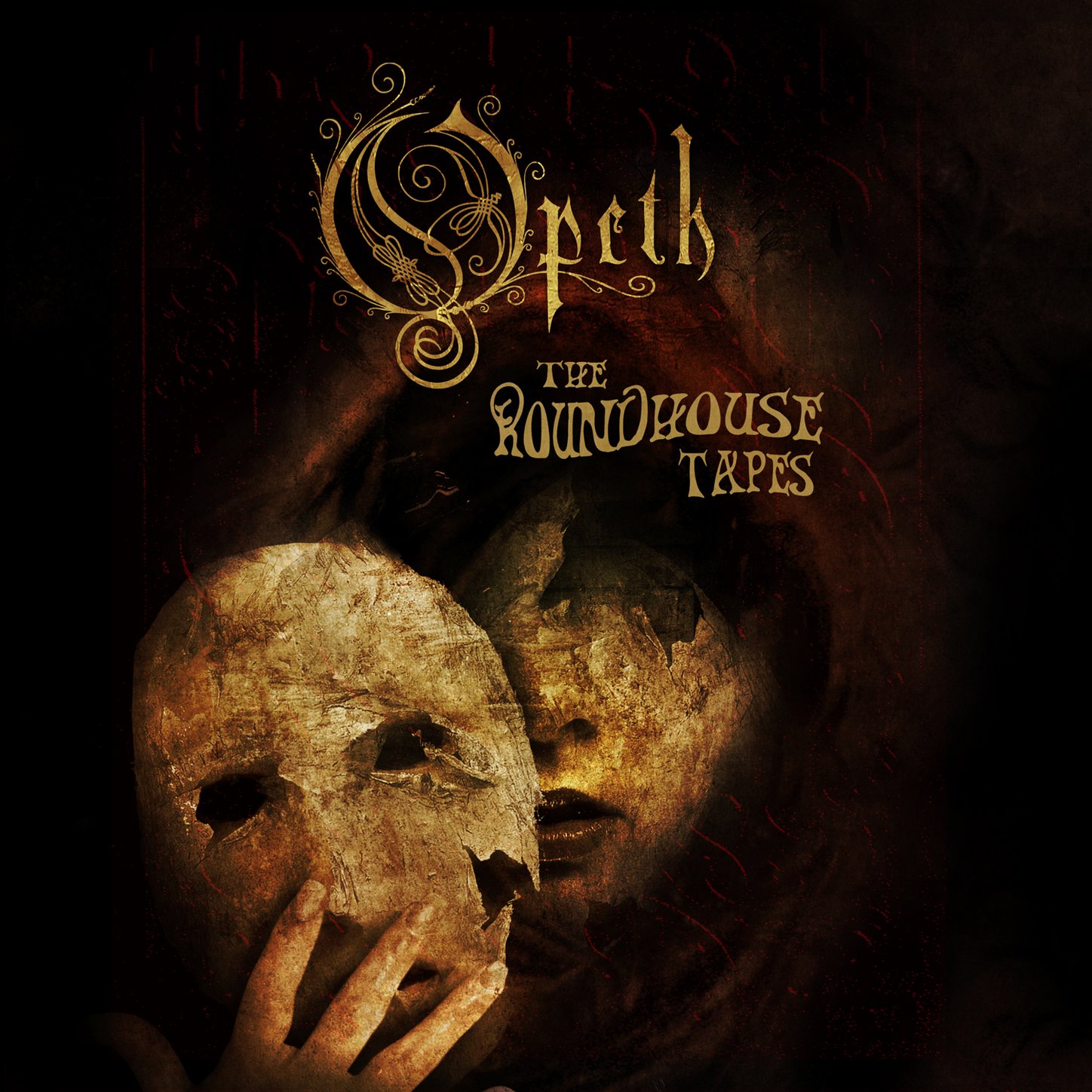
First performed during the European leg of the 2001-2002 Blackwater Park tour, it was a live mainstay for years. It sadly hasn’t been performed in its entirety since the European leg of the Pale Communion world tour in 2014-2015. However, Mikael has been known to play a few riffs of older tracks between songs. For example, “Serenity Painted Death”, from Still Life (1999), hasn’t been in setlists since 2008, yet the iconic riff occasionally makes an appearance as the crowd clamours for older gems. That exact scenario happened on the 24th of February, 2026, when Opeth performed at the Paramount Theatre in Seattle. Just before the encore, the band performed “Bleak” up until the first verse, a tease that hadn’t happened throughout the entire North American leg. Witnessing that fleeting yet powerful tease live was a reminder of how iconic some of these riffs are, 25 years later.
“Harvest” (6:01) (Åkerfeldt)
After two progressive death metal classics, “Harvest” stands out immediately from the rest of the record. Today, it reigns as the most popular song from Blackwater Park by streaming numbers. Back in 2001, it was released as Opeth’s first ever music video, and you can see a bunch of guys in the studio playing ping-pong & smoking cigarettes, all set to a delicate acoustic number. Because “Patterns in the Ivy” is an instrumental, “Harvest” is the only vocal track on the entire album without death metal growls. Instead, it highlights Åkerfeldt’s (comparatively) inexperienced clean singing, backed by lush, haunting vocal layers. It’s impressive how much his actual singing has gotten better over time; his vocals on Opeth’s 2019 studio album In Cauda Venenum are just plain beautiful to listen to.
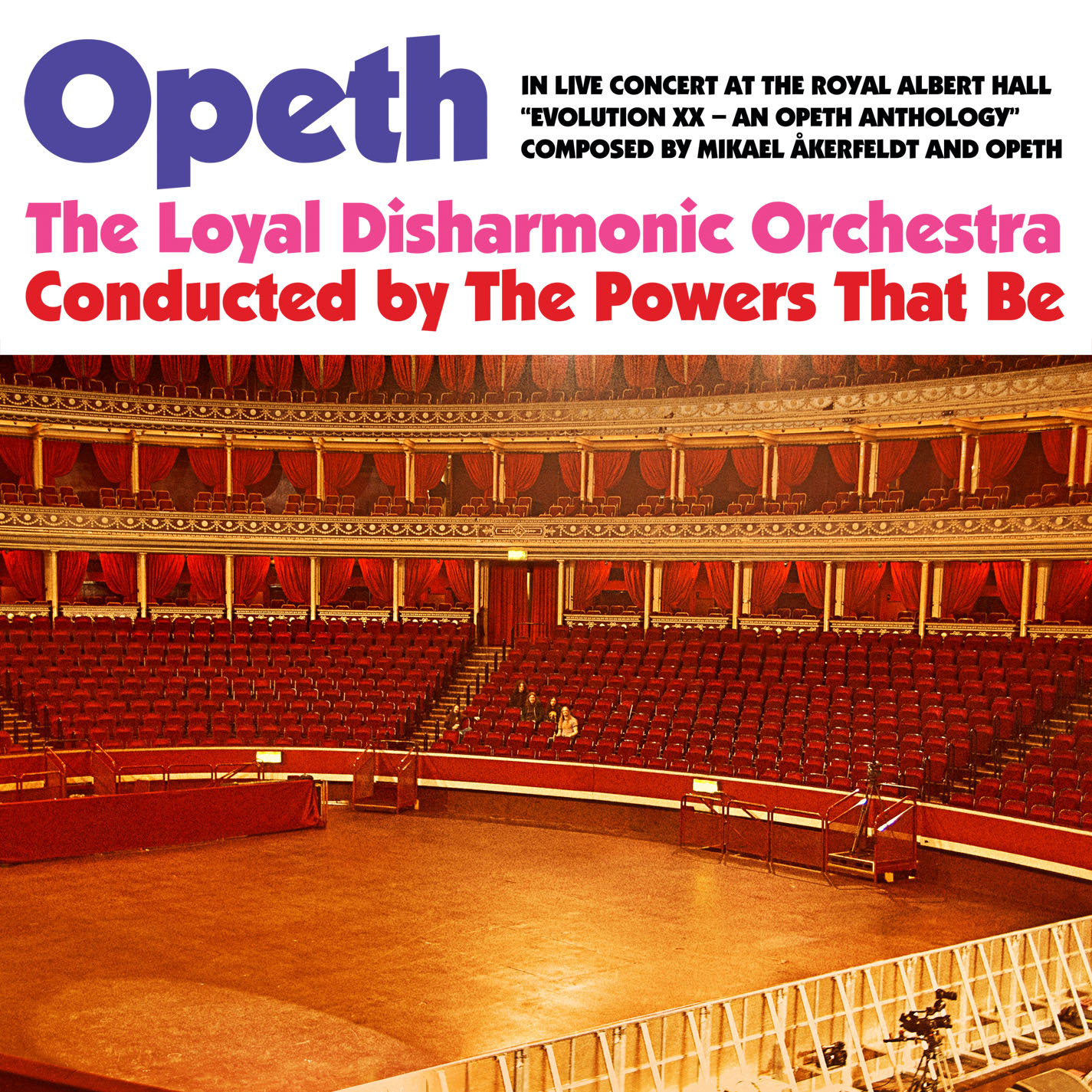
Lyrically, it paints a gothic portrait of someone observing their own funeral. Musically, it is driven by a straightforward, open-chord acoustic arrangement, making it incredibly fun to play. In fact, I think “Harvest” is by far the easiest song to learn on guitar in Opeth’s discography. In 2010, during their Evolution XX: An Opeth Anthology tour, the band revisited and performed the entire Blackwater Park record for the first set. Opeth rearranged the acoustic guitar-heavy studio version of “Harvest” and allowed keyboard textures to add to the composition. This choice gave the already sombre, alluring track an even more gorgeous, sensitive resonance.
Now, time for a potentially controversial opinion: despite its objective beauty, “Harvest” is my least favorite song on Blackwater Park. There isn’t anything inherently bad about the tune. Still, when you place its relatively simple song structure and the slight repetitiveness next to the monstrous compositions that surround it, it automatically slides down to the position of the “weakest” link. From a sequencing standpoint, I can see why many view it as a necessary acoustic breather. But for me, it disrupts the incredible, ferocious pace established by “The Leper Affinity” and “Bleak” just a bit. Nevertheless, a beautiful song.
“The Drapery Falls” (10:54) (Åkerfeldt)
After three amazing compositions, surely the album has to slow down, right? Instead, the listener is treated to what I, along many others, consider to be the Opeth composition. I think TheKarst described the track best: “The mix of clean vocals, growls, space for the music to breathe, and the dynamic between light and heavy was on full display. All of it wrapped in an eerie autumnal feeling of loneliness.”
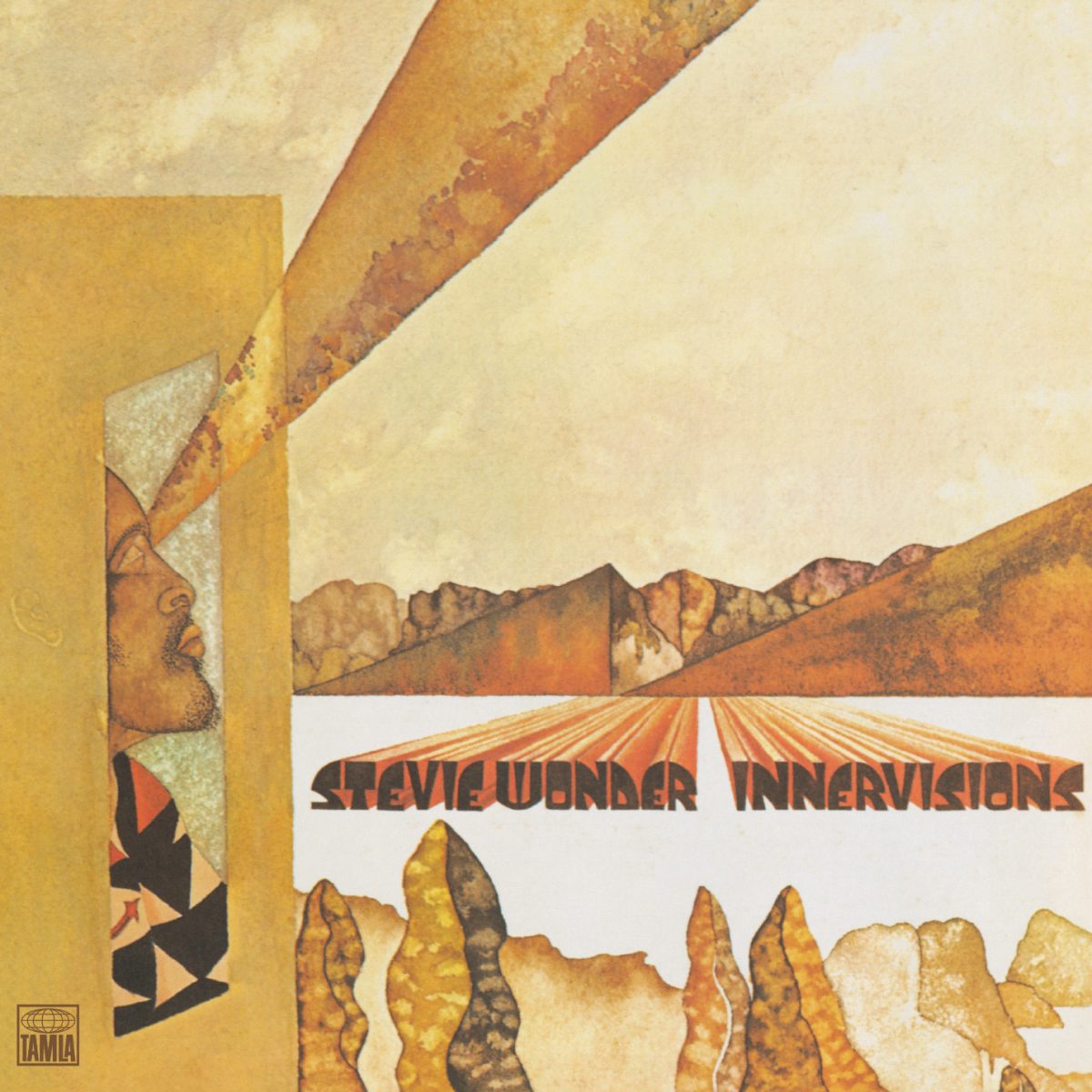
As this was the single released from Blackwater Park, “The Drapery Falls” is probably the first song a lot of fans first heard back in the 2000s. The clean sections are perfect, being bolstered by the EBow yet again to build that atmosphere. Discussing the writing process in a MusicRadar interview, Åkerfeldt said, “Stevie Wonder was all we listened to when we made Still Life and lots of Blackwater Park – that album Innervisions.” Demonstrating the track’s iconic acoustic intro, he noted, “I think I had that part because that chord’s nicked from Stevie Wonder. There’s a song called ‘Visions’ by Stevie Wonder from Innervisions.” Inspiration comes from a lot of places for a Swedish progressive death metal band, and Stevie Wonder’s one of them.
“One of the things we asked for immediately was, ‘Do the telephone voice’ because we knew he (Steven Wilson) had done that on Porcupine Tree records. So we got that in on ‘The Drapery Falls.'” Production decisions like that make watching or reading interviews with artists of any kind so interesting, and I feel like it makes you appreciate the creative process even more. The song debuted live at the Progpower Europe festival on November 11, 2000. However, the “official” debut was when Opeth played in Borås, Sweden, with Porcupine Tree on March 23rd, 2001. This was a one-off gig to celebrate their new album a few weeks before their first tour of North America. I was surprised when I found out video recordings of that performance exist, and it’s even on the studio documentary “The Making of Blackwater Park.”
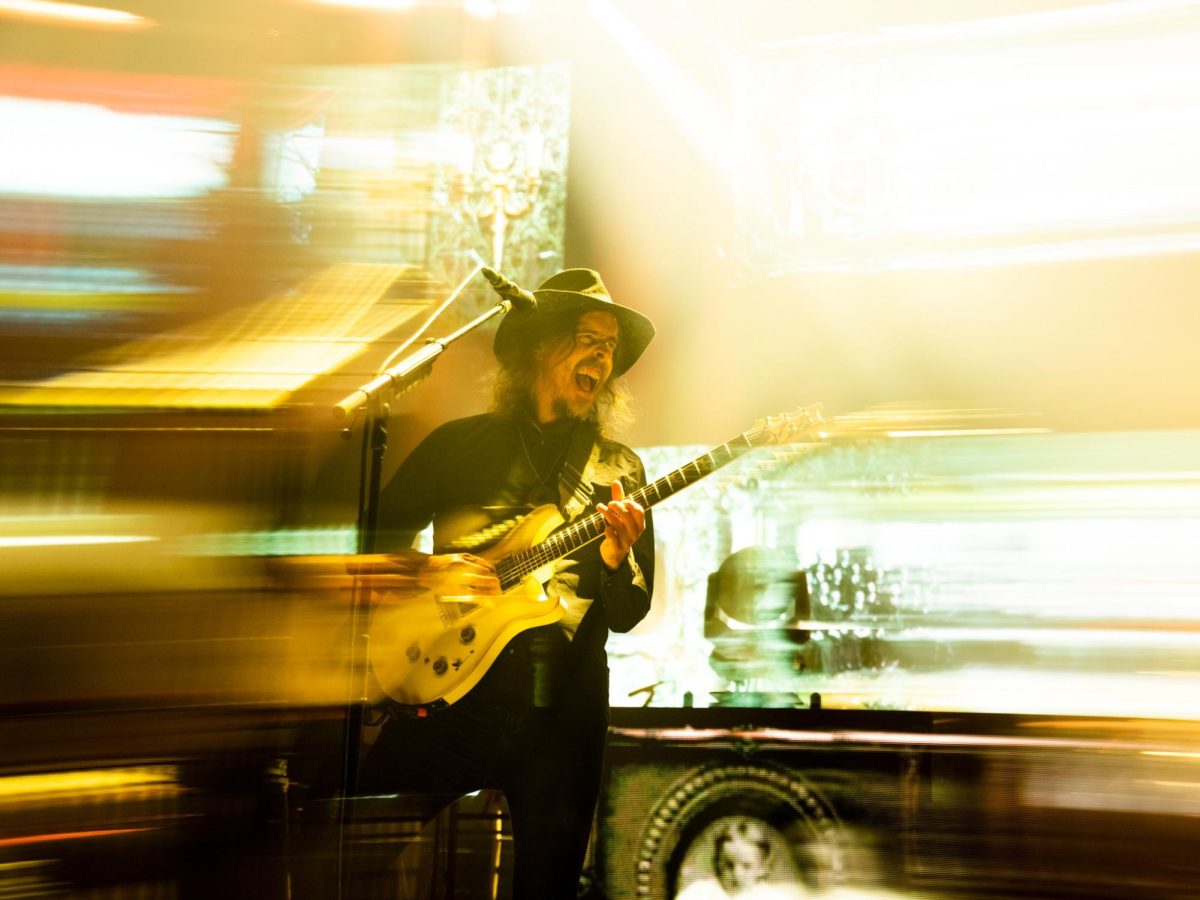
On a personal note, this track holds an incredibly special place for me, as it is the only song from Blackwater Park I’ve had the chance to see live (fully performed, anyways). I’ll never forget the song’s performance closing out the band’s main set at the Paramount in February 2026. It is one of the only 10-minute-plus Opeth songs I know how to play in its entirety, and boy, was it fun to see the two guitarists of the current lineup on stage playing the iconic parts live (check out my concert review as well!). From its captivating acoustic riffs, mysterious lyrics, impeccable vocal delivery (both clean and distorted), and that iconic theme, “The Drapery Falls” is an undisputable masterpiece.
“Dirge for November” (7:54) (Åkerfeldt, Lindgren)
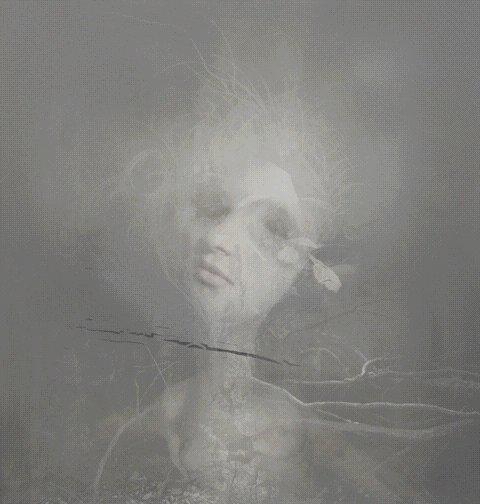
Guitarist and songwriter Mikael Åkerfeldt comes across as an upbeat and collective Stockholmite in interviews, fan meetings, and live shows. It’s funny how he’s able to write such emotionally dense and sombre compositions, and “Dirge for November” is a prime example. The beautiful and vulnerable opening, what is there to say? The frontman’s reedy clean vocals, stellar mixing of the acoustic and clean electric guitars all contribute to one of the band’s finest introductions. I always thought this track was reminiscent of the borderline black metal approach early Opeth had, particularly on Orchid (1995) and older demo tapes.
In the grand scheme of songwriting in the Opeth camp, Mikael Åkerfeldt is and always will be the engine of the band. In fact, in a 36-year time period, only one song from the band’s entire discography was written without any involvement from the Stockholmite (“Silhouette” from Orchid (1995) was written and performed by Anders Nordin). Because Åkerfeldt is such a dominant writing force, it is crucial to highlight Peter Lindgren here. While Lindgren, or, for that matter, any other member in Opeth’s history, rarely wrote song sections outside of their instrumental contributions, he is officially co-credited on “Dirge for November.” This (with the title track) makes him the only other band member to earn a songwriting credit on all of Blackwater Park. As Akerfeldt later reflected, “It’s a bittersweet song because I guess that’s the last song we (Lindgren and I) did together. And it’s actually my favorite from the record, just so dark and simple.”
Interestingly enough, “Dirge for November” was bassist Martin Mendez’ least favorite Opeth song back in 2005-2006, on the band’s old official website. Today, it remains one of their most elusive and overlooked tracks. The song was only performed live at the six 2010 Evolution XX: An Opeth Anthology tour concerts. Setlist.fm has the first live performance of “Dirge for November” at the Lowlands Festival in the Netherlands on August 20, 2006, but I highly doubt they randomly pulled out a deep cut during the summer music festival period, where sets are shorter than usual due to the sheer amount of bands on a single bill. But then again, they did perform the similarly rare & elusive “Moonlapse Vertigo” at the Forum Theatre in Melbourne only two months prior. Who knows, all I wish is that they’d play this emotionally drenched, atmospheric track live again.
“The Funeral Portrait” (8:45) (Åkerfeldt)
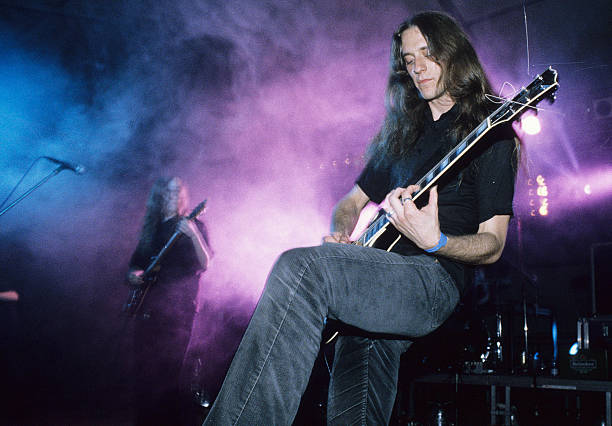
“The Funeral Portrait,” my beloved. Although I would never rank it above the title track, “The Drapery Falls,” “Bleak,” or “The Leper Affinity” composition-wise, I’m still choosing to listen to it over any of the others first. In many ways, this might be Peter Lindgren’s finest hour, featuring what are arguably his finest guitar solos in the entire Opeth catalog. Much like “Dirge for November,” this was one of the tracks largely composed and finalized within the environment of Studio Fredman. That spontaneity translates into a track that just kicks it up on the aggressive scale, culminating in an outro that is just so massive.
Speaking of that section, a major highlight is how Steven Wilson’s presence is felt through his background vocals, not only his production values. His harmonies with Åkerfeldt are my favorite, not only in Blackwater Park, but in Opeth’s entire catalog. That’s how much I love this track, it’s an amazing head-banger, yet that three-part vocal section evokes so much emotion it’s plain outrageous some fans consider this track filler.
“And you are just like them all (I’m a slave to this calling inside me)
Stained by the names of fathers (It won’t let go)
I’m greeting my downward fall (Spirit bewildered and gone)
Leaving the throes to others (Waves hello)…”
When a band only has one vocalist, certain songs can fall somewhat flat outside the studio. For example, the band’s performance of “The Funeral Portrait” in London on May 27th, 2002, while excellent in every other aspect, lacks the weight backing vocalists/overdubs bring to the table. You can really tell the difference when comparing it to the 20th anniversary shows in 2010, where that lineup’s guitarist Fredrik Åkesson and keyboardist Per Wiberg encapsulate that beautiful three-fold melody brilliantly. A flying shame it hasn’t been performed live in recent years, as “The Funeral Portrait” debuted during the UK leg of the 2001-2002 Blackwater Park tour, and its last performances were during the 20th anniversary tour concerts.
“Patterns in the Ivy” (1:52) (Åkerfeldt)
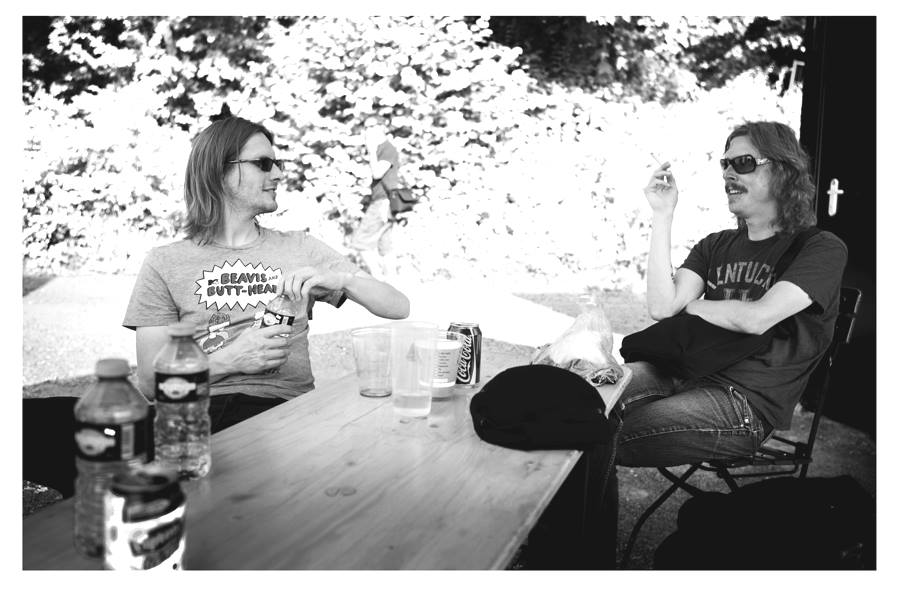
“Patterns in the Ivy” is the least talked-about track on the album, and I understand why. It’s essentially an interlude between two long progressive death metal songs, but its structural placement is absolutely vital. Serving as the ultimate calm before the storm, the instrumental offers a fleeting, necessary moment of peace that prevents whiplash and unwinds the listener. And if you’re already somewhat familiar with fingerpicking, this song is incredibly easy to learn on the acoustic guitar as well.
I enjoy the sparing use of the grand piano throughout the album. As a musician’s vocabulary increases over time, they’ll experiment more and more, and I appreciate that. I certainly love the string sections Opeth has incorporated on songs from their latest studio album, The Last Will and Testament (2024), but that doesn’t extinguish my gratitude for simpler compositions as well.
If you listen closely around the 1:35 mark, you can hear a distinct guitar string buzz. It’s not necessarily a flaw, and I think it adds to the organic, human charm of the studio sessions. As much as Blackwater Park is known for its high-quality, polished mix, it’s nowhere near the digital perfectionism that’s become extremely prevalent in the music industry 25 years later. I think it serves as a reminder that a record isn’t supposed to be flawless, rather representative of the musician’s goals as an artist. If perfection is what they’re chasing, that’s fine by me, just don’t force others into doing the same thing.
The penultimate song evokes the feeling of intimacy and even nostalgia for me, and it’s probably due to Wilson’s tasteful piano licks acting as a perfect counterweight to Åkerfeldt’s acoustic playing. Beautiful, there’s no other word for it. The delicate atmosphere disappears almost as soon as it is presented, and pulls the listener back into the bleak darkness with the 12-minute title track.
“Blackwater Park” (12:08) (Åkerfeldt, Lindgren)
Title tracks have a certain power to them. Metallica’s “Master of Puppets,” Yes’s “Close to the Edge,” Sepultura’s “Arise,” they all embody the album and the band’s creative mindset at the time. “Blackwater Park” is no different. One of Opeth’s greatest strengths is their refusal to repeat themselves. While the band operates within a distinct framework for each record (look no further than three fully-fleshed concept albums), I think the legendary status of their fifth album largely comes from its structural variety. None of the songs follow the exact same songwriting formula, and the different ideas and concepts planted throughout Blackwater Park all build up to a grand conclusion with the title track.
“It has some cool riffs! It’s a bit droney, because it sticks to the same dropped D key. It’s quite punishing to play, even more so for the drummer because half the song has double bass drums.” – Mikael Åkerfeldt, Guitar World, 2026.
Lyrically, Åkerfeldt delivers some of his most malevolent and shadowy poetry, and matches it perfectly with some of the most brutal instrumentation in the band’s entire catalog. Everyone’s firing on all cylinders and being creative, but it remains distinctly Opeth. The title track is an absolute riff salad, and I simply love the meticulously structured aggression. Another fun fact: The namesake for both the track and the album comes from an obscure 1970s rock group from West Berlin of the same name.
I think a massive part of that perfection comes down to the vocal delivery. It is the only song on the entire record to not feature clean singing from Åkerfeldt, and those deep and emotive death metal growls just send you into a completely different reality. It’s wild how Åkerfeldt’s demonic growls still hold up 25 years later. When I saw them at the Paramount this year (again, check out my concert review!), both his clean and harsh vocals were top-notch. Sure, he had a rough few years post-Watershed, but the Swede’s vocal abilities have only become more refined over time.
The instrumentation remains flawless all the way to the finish line. What can I even say about the groove Martin Lopez lays down for the rest of the band? Near the tail-end of “Blackwater Park,” those tasty slap bass lines from Martin Mendez sitting just under the guitar octave melodies could make the ground shake, and bring the album’s suffocating journey to a triumphant, earth-shattering close. Although the studio version’s closing is a beautiful way to close out an album, I adore the “trash-can” ending live versions incorporate. I sincerely hope, if Opeth comes through Seattle again in the near future, they play this song as the set closer. How awesome would that be? Either way, a breathtaking closing track, but we’re not done just yet.
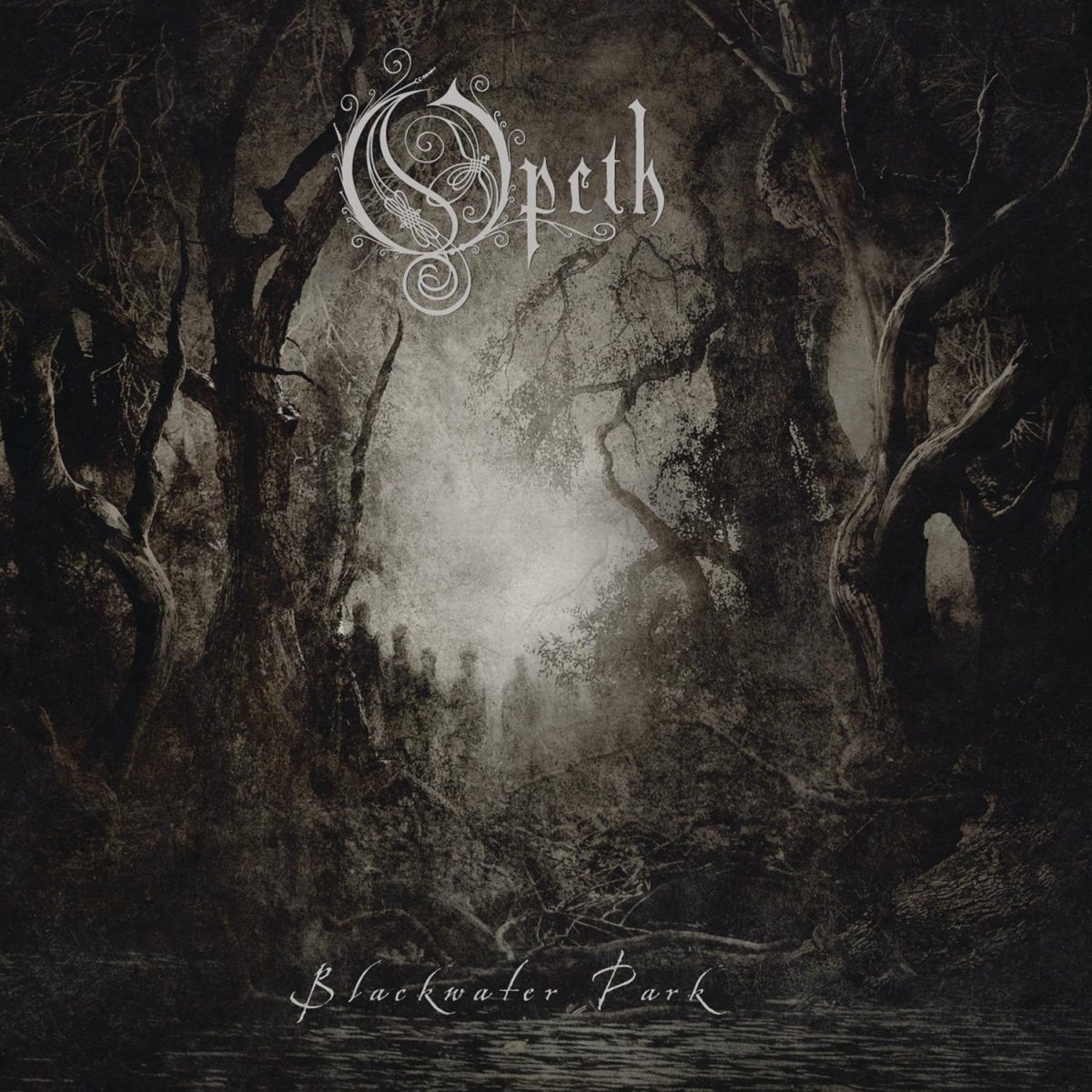
As is the legacy of any iconic art form, whether it be music, film, or literature, there follows re-releases and remasters. Blackwater Park is not an exception to this rule, far from it. White, silver, black, dark transparent, green, green transparent, liquid-filled, the variety of different vinyl pressings is astounding. But of all the special/deluxe editions, most notably, the 2002 deluxe edition included two previously unreleased songs, “Still Day Beneath the Sun,” & “Patterns in the Ivy II.”
“These two songs I recorded on my own since we were all scattered across the globe at the time. They were recorded in a very simplistic fashion. At my house and at my friend, Jonas Renkse’s house. The songs themselves were a mish mash of ideas I had previously demoed and now finally put together into songs. Guitar and vocals, that’s it. Naked and stripped down for a change. I like the way they turned out. Needless to say, these were exclusively recorded for the reissued limited edition of the Blackwater Park album.” – Mikael Åkerfeldt, from “The Blackwater Park Diary.”
They’re both beautifully written acoustic songs, but I can see why they didn’t make the final cut, as they were written an entire year after the Blackwater Park sessions! The two tracks were re-released in 2003 as a separate 7” titled Still Day Beneath the Sun, and they haven’t appeared on any Opeth release since. Instead, fans get to hear the same live performance (with a shiny new vinyl color!) for the seventeenth time in a row.
The bonus live version of “The Leper Affinity” was performed in Milan, Italy, October 26th 2009, on the tour supporting Watershed (2008). Åkerfeldt’s voice is noticeably past his 2005-2006 peak, it’s a fine performance, nothing special. I’ve seen many other live performances of the song that blow this one out of the water. But it does give us definitive proof that Akerfeldt is indeed the Eros Ramazzotti of Sweden, and that he’s also a genius when it comes to music (his words, not mine).
When it comes to these anniversary editions, Opeth really needs to utilize its archival resources. It’s highly unlikely they don’t possess a professionally recorded show from 2001, especially given the quality of the live material already circulating. For instance, the complete, professionally recorded Wâldrock Festival performance in Bergum, Netherlands, June 30th, 2001, is readily available on YouTube and sounds fantastic even in that format. They have the resources to properly mix the soundboard and press it to vinyl. The four-song set would perfectly divide across two vinyl sides, or a single vinyl.
A triple or even quadruple-vinyl set with a live show included would sell like hot cakes! I know fans would love to hear any one of the 60-odd shows they performed in 2001 in a professional release, I would be elated if it meant a Winter 2001 European show in its entirety existed, even if the soundboard mix isn’t the best. I still haven’t nor probably will ever hear a bad or sub-par live performance from the lineup of Åkerfeldt, Lindgren, and the two Martins. One can dream, but will settle for the shiny and colorful vinyl with the exact same tracklisting for the past ten-plus years.
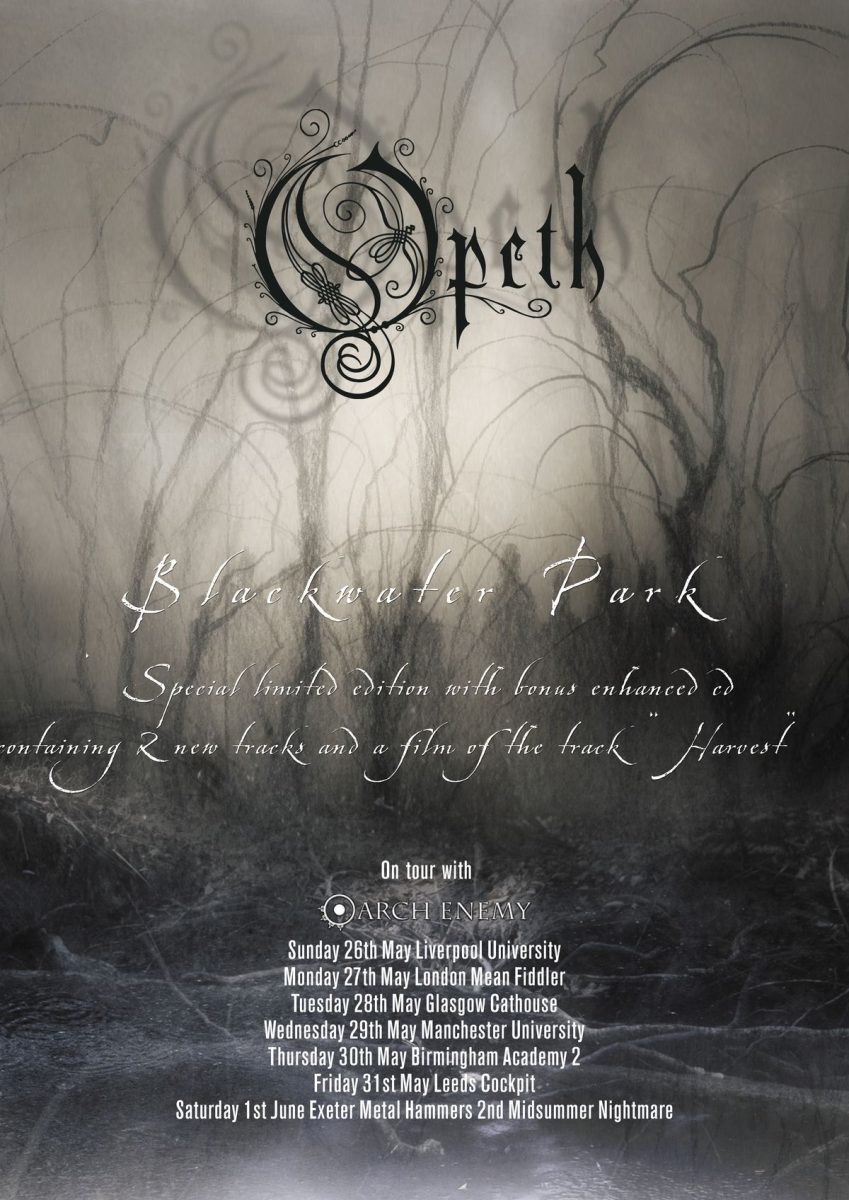
I am a relatively new metalhead, having only transitioned from classic and progressive rock to metal and its other subgenres in early 2024. Since then, I’ve slowly but surely been making my way through the genre’s essential classics, and certain records immediately reveal themselves to be untouchable. Blackwater Park is undoubtedly one of them. Despite its nearly 70-minute runtime, it is immaculately paced. I’ve certainly never felt as if it overstays its welcome. Combined with the immaculate production and the autumnal vibe you get from the songwriting and visuals, it’s a unique experience when you’re listening to the record for the first time.
As you can probably tell, this album was a big deal. It influenced countless other metal bands at the time, and, most notably, producer Steven Wilson wasn’t safe from its impact. If you’re familiar with Porcupine Tree’s In Absentia (2002), it is the first record to move the band’s alternative rock sound to a more progressive metal style. It’s an amazing album, and the elements of Opeth and Meshuggah can be clearly heard throughout.
“Blackwater Park didn’t turn Opeth into millionaires, but it did introduce the band to a much larger audience, broadening their appeal from the somewhat restrictive confines of the metal underground to both the wider metal scene and, as only seemed right, the progressive rock world.” -Journalist Dom Lawson.
In their first 11 years of existence, Opeth had only played about 50 concerts. And after the release of their fifth studio album, for the first time in their decade-long career, the band was able to mount proper, extensive international tours. The 2001 North American tour was immensely important for the band’s survival, as bassist Martin Mendez recalled in the Book of Opeth: “Life changed after Blackwater Park… We were young and touring around the world, and that’s the dream of every young band; to make that happen was an amazing feeling.”
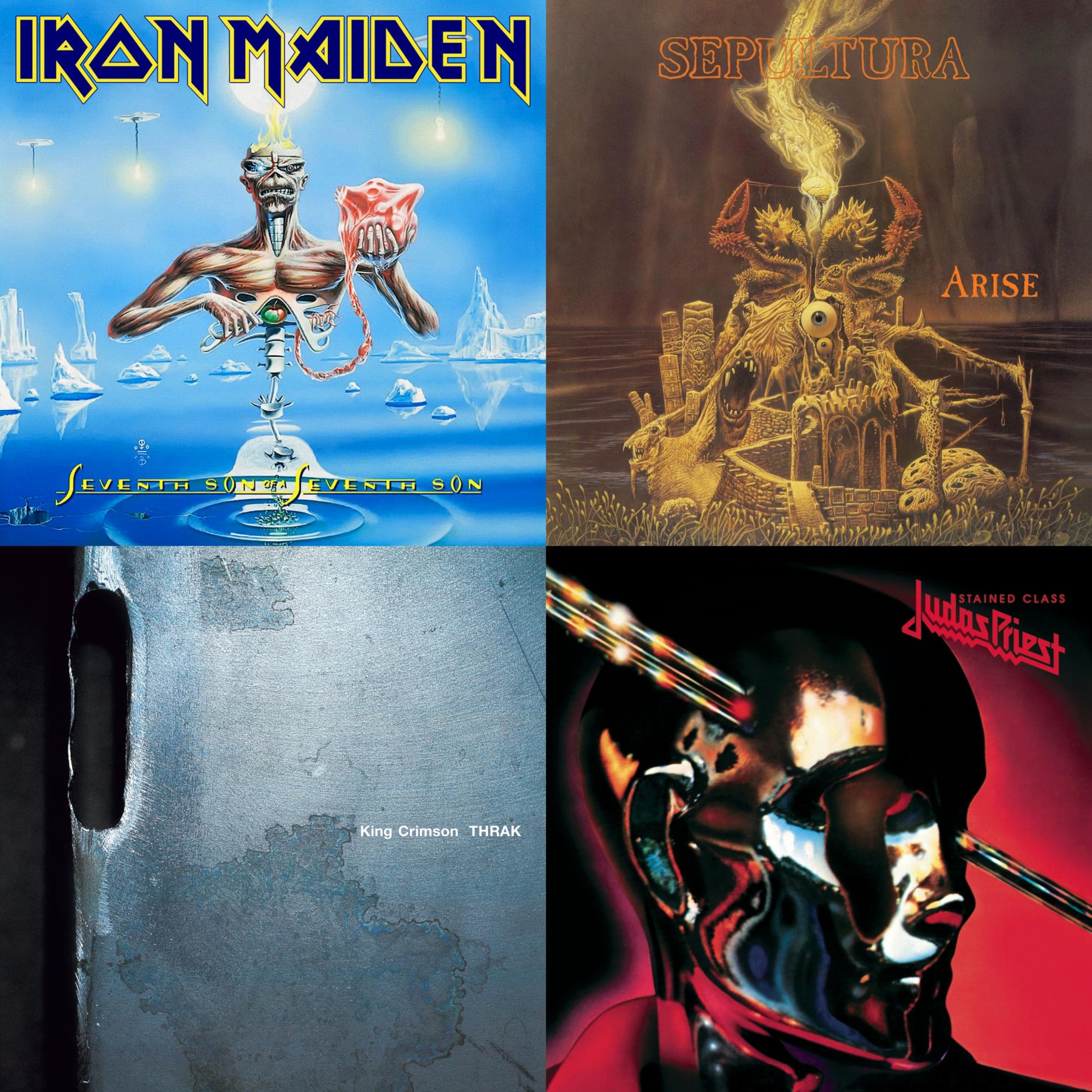
Metal is an extremely broad genre with almost countless sub-genres. If you meet someone saying that they like metal, you almost have to ask them to specify which niche they’re into the most. Your favorite might be doom or sludge metal, while the other person’s could be progressive or black metal. There’s not a single greatest metal album of all time, but I do think you could compare Blackwater Park to other notable releases. To me, Opeth’s fifth studio album is on par with Sepultura’s Chaos A.D. (1993), King Crimson’s THRAK (1995), Judas Priest’s Stained Class (1978), Iron Maiden’s Seventh Son of a Seventh Son (1988), or Sleep’s The Sciences (2018), just by pure songwriting quality and the influence its had on me specifically. But again, comparison is the thief of joy.
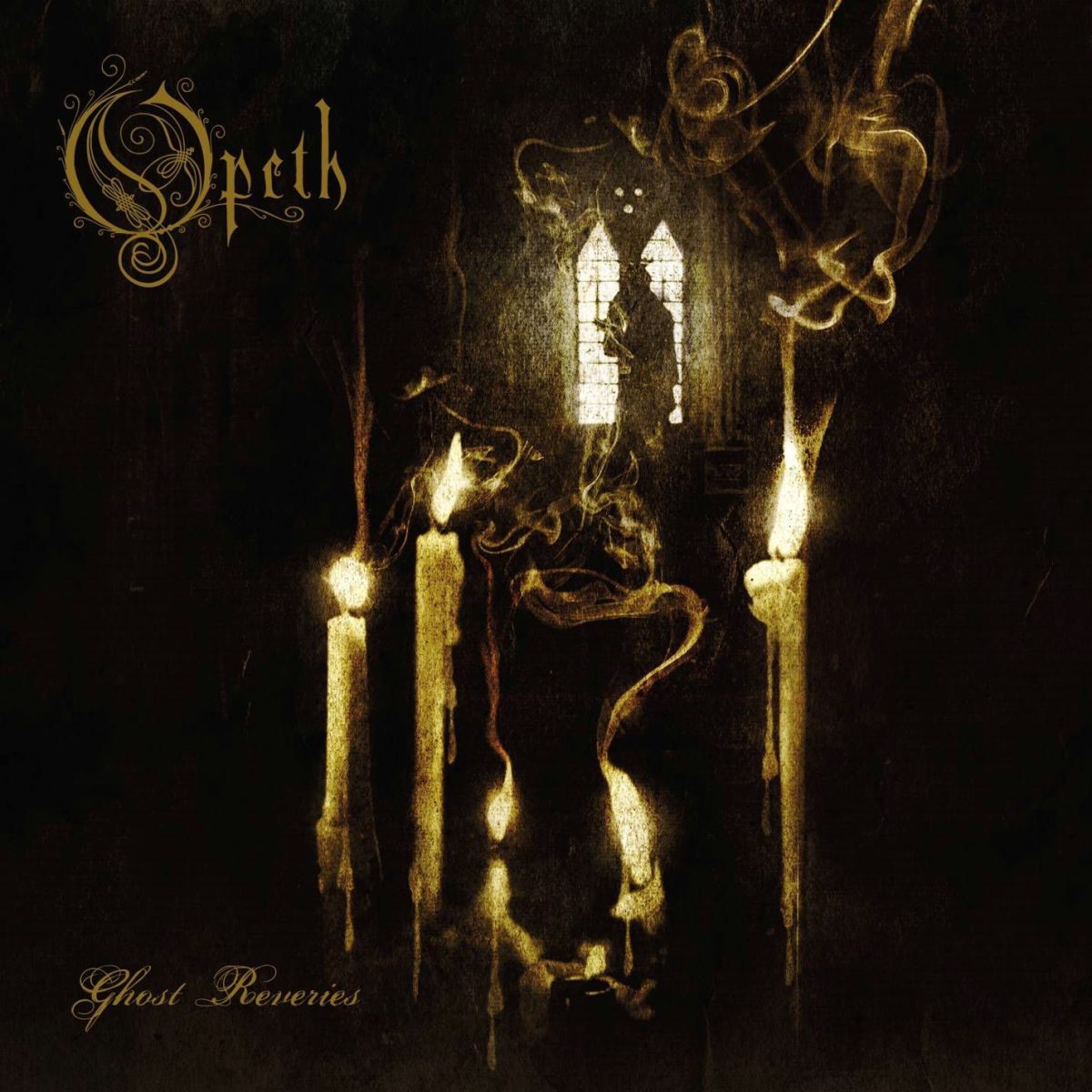
The absolute greatest metal bands all share a common trait: they possess legendary streaks of classic releases. The most famous examples are Metallica with their first five albums, Black Sabbath with their first six, Iron Maiden with their first seven, and Death with their entire discography. With Opeth, you have another seven album run, starting with their third studio record, My Arms, Your Hearse (1998), and ending with their ninth studio record, Watershed (2008). And from those seven exceptional albums, two albums in particular are at the very top of the metal hierarchy. One of course being Blackwater Park, and the other being my personal favorite Opeth record, Ghost Reveries (2005).
It’s not hard to see why the latter is considered to be the metaphorical Spinosaurus to the much beloved Tyrannosaurus rex. It similarly has four monstrous compositions (“Ghost of Perdition,” “The Baying of the Hounds,” “Harlequin Forest,” and “The Grand Conjuration”), and exceptional gems littered throughout the record. But in order to have that magnificent piece of work, you have to have the stepping stone that came before it.
Akerfeldt himself summarized it best: “I think that if we had put out Ghost Reveries and then Blackwater Park, people would have said that Ghost Reveries was their favourite instead of Blackwater Park, but then Ghost Reveries wouldn’t have sounded like it did if we hadn’t recorded Blackwater Park!”
The record didn’t just redefine progressive metal, it laid the foundation for Opeth’s entire future. For 25 years, the band has forged ahead, releasing new and innovative albums one after the other. Their discography is one of the strongest I’ve seen so far, not a single “bad” song! As a newer fan, their unique style has become unfathomably important to me. I have had the privilege to see Opeth perform live at the Paramount Theatre this year, and it was one of the greatest shows I’ve ever seen. No doubt that I’ll continue to listen to the Swedes for a long time to come, they’re just too good to be true.
At the end of the day, I hope I’ve at least somewhat convinced you to check out Blackwater Park and dive into Opeth’s music. I promise it’ll be worth it. If you’re somewhat turned off by the heavy “metal” aspect, I’d highly recommend checking out Damnation (2003) or Pale Communion (2014) instead. They’re both excellent progressive rock albums that represent Opeth’s best traits, just without the heavy distorted riffs and guttural growls.
But if you are willing to take the plunge into the dark, cold, autumnal depths of their 2001 masterpiece, Blackwater Park will be an unparalleled listening experience to anyone who hasn’t yet heard devastating metal riffs smoothly intertwining the most ethereal clean sections you’ll ever experience. I’ve waxed lyrical about the record for 12 pages, that should be proof enough that I absolutely adore this record!
“The sun sets forever, over Blackwater Park.”